.png)
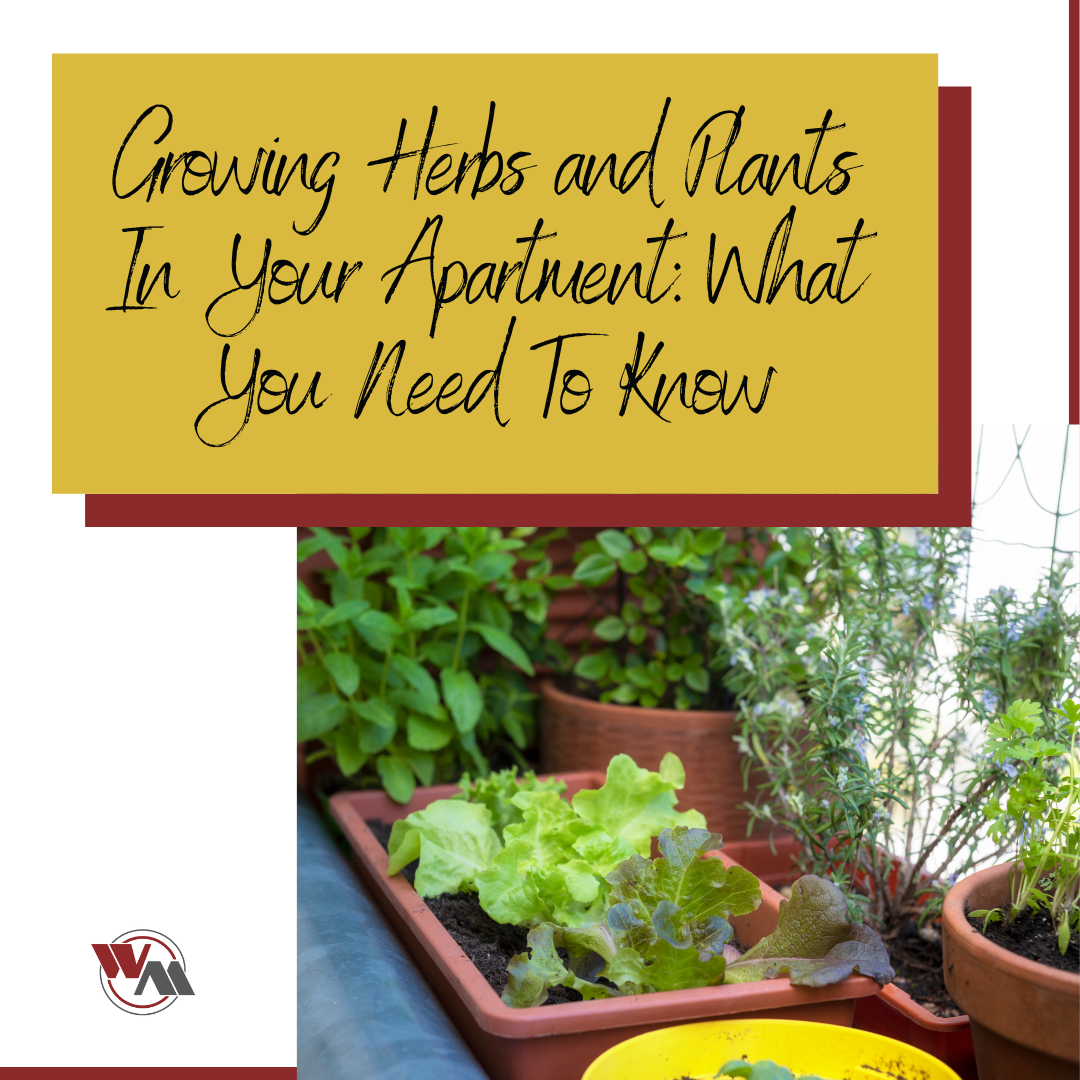
Living in an apartment doesn’t mean you can’t grow your own garden. You can still have healthy, abundant plants without a traditional garden setup and bring some greenery into your space. But there are some tips specific to starting a garden in an apartment or on your balcony/patio versus a backyard and certain plants that will fare better in a smaller space.
What You’ll Need
Since your plants won’t be living in the ground, it is important to use containers and pots large enough to allow adequate space for roots to grow and flourish. It’s important that these containers and pots have holes in the bottom to allow for sufficient water drainage as well, so your plants don’t rot, while also ensuring that no damage occurs to your carpet.
If you have a balcony or a patio, in addition to containers and pots, you can purchase a planter or a raised garden bed that will give you an in-ground garden feel with the ease of being right outside your door. Alternatively, you could even plant a vertical garden. There are so many options, from using a DIY pallet bed to a modern growing system.
Soil and fertilizer are a necessity when it comes to planting your garden. These are available for purchase at a local nursery or hardware store, or you could use your own compost from leftover plant-based food scraps, leaves, paper and more.
You will also need some form of sunlight. It’s OK if your apartment doesn’t necessarily get the best direct sunlight! An alternative are growing lights, which are available for purchase online or at a hardware store.
Best Practices
To make sure your garden is the best it can be, it’s important to care for it appropriately. Be sure to water your plants, but not too much. To make sure you aren’t over- or under-watering your garden, a general guideline is to use your finger to feel the soil about one to two inches below the surface. If it feels dry, you need to water it. If it feels very wet, you may need to pull back on how frequently you are watering.
Depending on which soil and fertilizer you purchase, you may need to feed your plants regularly. If your soil already has fertilizer, you will not need to feed your garden as much. Your plants need to be fed as well as watered.
Keep an eye out for small critters that may make their way into your garden – even if it’s indoors. If unwanted guests have made themselves comfortable, consider some natural methods to speed up their departure: a natural insecticide spray made with vegetable oil, water and dish soap, neem oil for an organic approach, or removing any infested part of the plant entirely.
Make sure you harvest your plants appropriately, as that will promote healthy growth. Alternatively, delaying harvest can cause your herbs and vegetables to go bad and attract rotting and bugs.
What is best to grow?
● Tomatoes
● Kale
● Beets
● Carrots
● Bell peppers
● Scallions
● Spinach
● Strawberries
● Herbs – any type
You can create your own agricultural oasis, even if you think you’re limited on space. With the right equipment and practices, you’ll have fresh vegetables and herbs at your fingertips!