
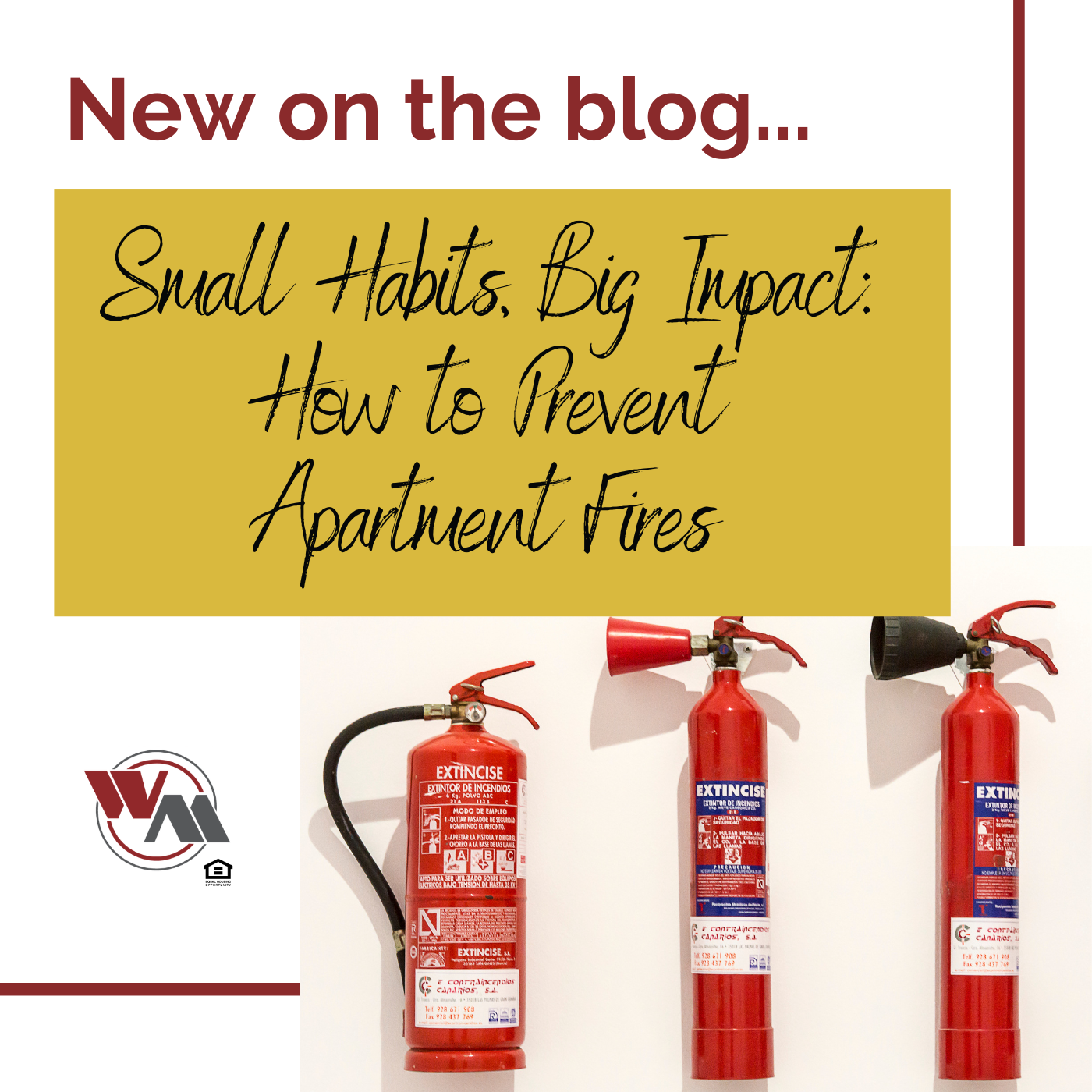
One of the most alarming sounds is the ring of the fire alarm. It’s a reminder that at any point, it's best to have a plan in case of an emergency. October is Fire Prevention Month. Whether an alarm goes off from a slice of burnt toast or a more serious incident, it’s crucial to have fire prevention plans in place.
1. Be Careful in the Kitchen
Some of the most common fire-starters begin in the kitchen. When cooking, be sure to focus on your meal. Double-tasking can lead to burning or accidental fires. It’s also wise to keep towels, paper towels, or other flammable items away from the stove. In the chaos of meal prep, it’s easy to forget to turn off the stove. It’s best to create a habit of checking that the stove is off as soon as the meal is completed.
2. Heating
With the winter months just around the corner, most residents purchase space heaters to keep warm. To prevent fires, place heaters at least three feet away from beds, curtains or other flammable materials. It’s also best to plug space heaters into a wall outlet instead of an extension cord to avoid overheating. When the heaters are not in use, be sure to turn off and unplug them from the wall.
3. Be Careful With Candles
To reduce fire hazards, avoid the real thing and use electric ones instead. It’s just not worth the risk.
4. Keep Hallways and Exits Clear
An apartment complex is a community for every resident. This means that it’s important to keep hallways and exits clear, so neighbors can efficiently exit the building during an emergency. If your building has storage spaces, consider using them to keep bikes or other large belongings away from the hallways. Prior to moving in, memorize the location of each emergency exit and check the apartment policy regarding fire doors. If they are not allowed to be propped open, make sure doors remain closed at all times.
5. Don't Disable Smoke Alarms
After moving in, take note of where each smoke alarm is located. Although it can be frustrating when a fire alarm is suddenly activated over basic cooking, it’s important to never disable smoke alarms. The cost of turning them off is much greater than their potential nuisance. It’s equally important to notify property management if an alarm is not working properly.
6. Be Familiar With The Apartment Building's Fire Safety Features
After moving in, be sure to locate fire extinguishers and emergency exits. These pieces of information can be the difference between life and death in a serious fire. It’s also important to review fire information provided by property management upon moving in. This information will help you form an escape plan.
Following these tips and treating every fire alarm seriously will ensure that residents and each home are properly prepared and protected.